
How to Partner with the Best Skincare Products Manufacturer in China (and Avoid Costly Mistakes)
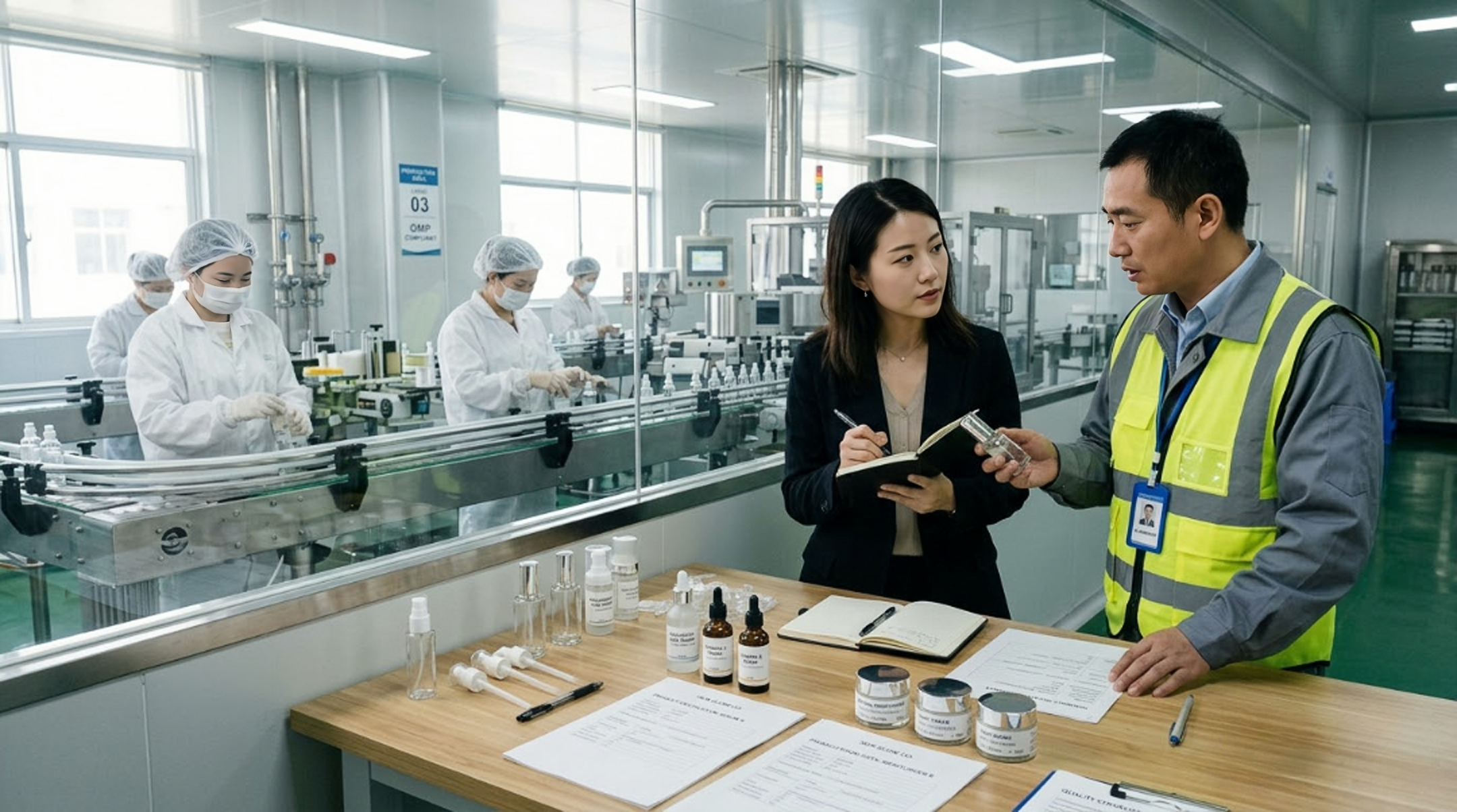
Launching a beauty brand or scaling an existing cosmetic line requires a reliable supply chain. For most modern beauty founders, the path to high profit margins and innovative formulations leads directly overseas. Finding the best skincare products manufacturer in China isn't just about searching a directory; it is about vetting production capabilities, ensuring strict regulatory compliance, and building a long-term strategic partnership.
Whether you are looking for private label options (ODM) or fully custom formulations (OEM), this comprehensive guide covers everything you need to know to secure a top-tier manufacturing partner, protect your intellectual property, and bring high-quality skincare to the global market.
Why Sourcing Skincare from China is a Game-Changer for Your Brand
The global cosmetics landscape has shifted significantly over the last decade. Chinese manufacturing is no longer just about mass-producing cheap goods; it has evolved into a high-tech hub for cosmetic chemistry and advanced formulations.
The Cost-to-Quality Ratio Explained
When you partner with a premium factory in Guangzhou or Zhejiang—the major hubs for cosmetic production—you gain access to a highly optimized supply chain. Because these regions cluster packaging suppliers, raw ingredient distributors, and formulators in one geographic area, the cost of production drops without sacrificing quality. Brands can invest the capital saved on manufacturing directly into marketing, customer acquisition, or upgrading to premium packaging, giving them a severe competitive edge in saturated markets like the US or EU.
Advanced R&D and Formulation Capabilities
The best skincare products manufacturer in China will have an in-house Research and Development (R&D) laboratory staffed by experienced cosmetic chemists. These facilities are frequently equipped with state-of-the-art homogenization equipment and testing labs. Whether you want to formulate a trending niacinamide brightening serum, a plant-based vegan moisturizer, or complex anti-aging peptides, top-tier factories have the library of stable, tested formulas and the raw material access to make it happen rapidly.
Key Criteria for Identifying the Best Skincare Products Manufacturer in China
Not all factories are created equal. Filtering out the trading companies from the actual manufacturers is your first critical step. Here is what you need to look for when evaluating potential partners.
Certifications That Actually Matter (GMPC, ISO 22716)
Never compromise on certifications. A legitimate, high-quality manufacturer must hold an ISO 22716 certification and be GMPC (Good Manufacturing Practice of Cosmetics) compliant. These certifications guarantee that the factory adheres to strict international standards for hygiene, quality control, ingredient traceability, and facility maintenance. If a factory cannot immediately produce verifiable copies of these certificates, walk away. For brands planning to sell in the United States, checking if the facility is registered with the FDA under MoCRA (Modernization of Cosmetics Regulation Act) is also highly recommended.
Minimum Order Quantities (MOQs) vs. Scalability
Your chosen partner needs to align with your current business size and your future growth. Many premium manufacturers have high MOQs (often 5,000 to 10,000 units per SKU) for custom formulations, which can tie up your cash flow. However, the right factory will offer flexibility. Look for partners who offer standard "white label" or private label formulas with lower MOQs (e.g., 500 to 1,000 units) to help you test the market, while still having the industrial capacity to produce 100,000+ units a month once your product goes viral.
Private Label (ODM) vs. Custom Formulation (OEM)
Understand the difference before you reach out for quotes. Original Design Manufacturing (ODM) means you choose from the factory’s pre-existing, clinically tested formulas and put your brand on it. This is faster and cheaper. Original Equipment Manufacturing (OEM) means you bring your own formula or pay their R&D team to create a custom product from scratch. The best factories excel at both, but defining your path early dictates which manufacturer will serve you best.
The Step-by-Step Process to Vet a Chinese Cosmetics Factory
Due diligence separates successful beauty brands from those dealing with recalled products. You must implement a strict vetting process before wiring any initial deposits.
Requesting and Testing Product Samples
Once you have shortlisted three to five potential manufacturers, request samples. You should be testing for texture, absorption, scent, and packaging quality. More importantly, subject these samples to stability testing. Keep them in warm environments, cold environments, and direct sunlight to ensure the emulsion doesn't separate and the active ingredients remain stable. A trustworthy factory will charge a small fee for custom samples, which is standard practice and often refunded upon placing a bulk order.
Conducting Factory Audits (Virtual and Physical)
If you cannot fly to China to tour the facility yourself, hire a third-party inspection agency based in China (like SGS or Intertek) to conduct a factory audit. If you are on a tighter budget, insist on a live video tour via WeChat or Zoom. During the video call, ask to see the raw material storage area, the water purification system (a critical component of skincare manufacturing), the production line, and the quality control laboratory. A factory proud of its facility will gladly accommodate this.
Navigating Communication and Cultural Nuances in B2B Manufacturing
Smooth communication is the bedrock of a successful manufacturing relationship. Delays, misunderstandings, and wrong formulations often stem from poor project management rather than bad intentions.
Overcoming the Language Barrier with Tech and Local Agents
While most export-oriented factories have English-speaking sales representatives, technical cosmetic terminology can sometimes get lost in translation. Always communicate formulation requirements, ingredient percentages, and packaging specs in highly detailed, written documents—preferably using spreadsheets and visual diagrams. Avoid slang. If your order volume is massive, consider hiring a local sourcing agent who speaks fluent Mandarin and understands cosmetic chemistry to advocate on your behalf.
Drafting Bulletproof Manufacturing Agreements (NNN Agreements)
Protecting your brand is paramount. Standard Non-Disclosure Agreements (NDAs) drafted in western countries often hold little legal weight overseas. Instead, you need an NNN Agreement (Non-Disclosure, Non-Use, Non-Circumvention) drafted by a legal professional familiar with Chinese law. This ensures the factory cannot steal your custom formula, produce it for a competitor, or bypass you to sell directly to your distributors.
Red Flags to Watch Out For When Choosing a Supplier
In the rush to get products to market, brand owners sometimes ignore glaring warning signs. Protect your investment by watching out for these common red flags.
Unusually Low Prices and Hidden Costs
If a quote comes back significantly lower than the industry average, treat it with extreme suspicion. Unusually low prices often indicate that the manufacturer is diluting active ingredients, using subpar chemical preservatives, or planning to hit you with hidden fees later (such as sudden charges for inner packaging, labeling, or palletizing). Always request a detailed, itemized quote that covers the product, primary packaging, secondary packaging, and master cartons.
Lack of Transparency in Ingredient Sourcing
Consumers today are highly educated about what goes onto their skin. They want cruelty-free, clean, and ethically sourced ingredients. If a manufacturer refuses to disclose where they source their raw materials (like squalane, hyaluronic acid, or botanical extracts) or cannot provide a Certificate of Analysis (COA) and Material Safety Data Sheet (MSDS) for the finished product, they are a liability to your brand's reputation.
How to Ensure Smooth Logistics and Customs Clearance
Manufacturing the product is only half the battle; getting it from the factory floor to your warehouse without delays or regulatory seizures is the final hurdle.
Understanding Incoterms (FOB, EXW, DDP)
When you negotiate pricing, you must establish the shipping terms. EXW (Ex Works) means you are responsible for the goods the moment they leave the factory doors. FOB (Free on Board) means the factory handles the cost and risk of getting the goods to the nearest Chinese port. DDP (Delivered Duty Paid) is often preferred by new brands, as the manufacturer or their freight forwarder handles all shipping, customs, and import duties directly to your door. Clarify this early to avoid unexpected freight bills.
FDA and EU Cosmetic Regulation Compliance
Customs agents will seize shipments that do not meet local labeling and safety standards. If you are importing into the US, the manufacturer must provide the necessary documentation for FDA compliance, including accurate ingredient lists using proper INCI (International Nomenclature of Cosmetic Ingredients) names. For the EU, the requirements are even stricter, requiring a Product Information File (PIF) and safety assessments. Ensure your manufacturing partner has a proven track record of exporting to your specific target market.
Related_News
-

Sing Foo Participated in the 2025 Shanghai Beauty Expo
-
New GMP-Certified Production Line Officially Launched
-
New Product Series for Global Market
-
Skincare Manufacturer: How SINGFOO Masters the Art of Cosmetic Innovation
-
Cosmetic Manufacturer: SINGFOO – Where Vision Meets Precision in Beauty Manufacturing

SUBSCRIBE
IF YOU REQUIRE THE MOST SUITABLE PRODUCTS, FEEL FREE TO CONTACT US.
INQUIRY